
Modern architecture is evolving faster than ever, and smart home technology is at the center of this transformation. Today’s homes are not just beautifully designed — they are intelligent, efficient, and built for convenience. Smart home designs blend technology and architecture to create spaces that improve comfort, security, and lifestyle.
What Is a Smart Home Design?

Blending Technology With Architecture
Smart home design refers to the integration of intelligent devices, automation systems, and digital controls into the architectural layout of a home. This includes smart lighting, automated security systems, smart appliances, climate control technologies, and connected home networks.
Creating a Seamless Living Experience
The goal is to make the home more efficient, comfortable, and responsive. Smart designs allow homeowners to manage everything from their smartphone — anytime, anywhere.
How Technology Is Transforming Modern Architecture
Smart Lighting and Energy Efficiency
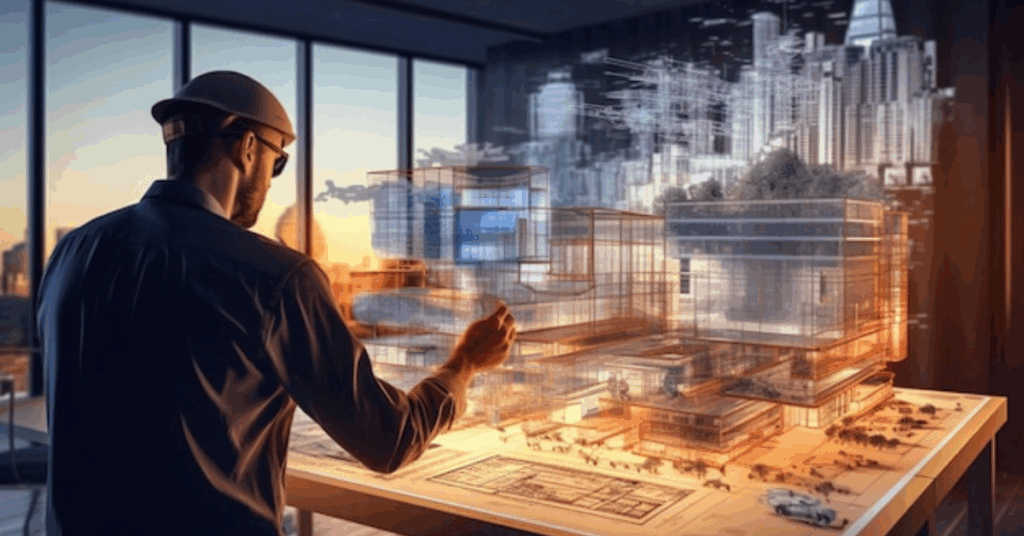
Architects now design homes with IoT-enabled lighting systems, motion sensors, and automated dimmers. These systems optimize energy use and improve ambiance, making homes more sustainable and stylish.
Automated Climate Control
Smart thermostats and zonal cooling/heating solutions allow residents to maintain ideal temperatures with minimal energy waste. This creates a comfortable indoor environment and reduces electricity bills.
Intelligent Security Systems
Modern homes use AI-enabled cameras, smart locks, video doorbells, and motion detectors. These features enhance safety and give homeowners real-time control over security from their devices. Smart Kitchens and Appliances
Architecture today includes integrated spaces for smart refrigerators, voice-controlled appliances, and sensor-based faucets. These features make kitchens more efficient and luxurious.
Voice-Controlled Living Spaces
Homes integrated with Alexa, Google Home, or Apple HomeKit offer hands-free control of lights, appliances, entertainment systems, and more — adding convenience to daily living.
Architectural Trends Shaped by Smart Technology
Open Layouts for Seamless Connectivity
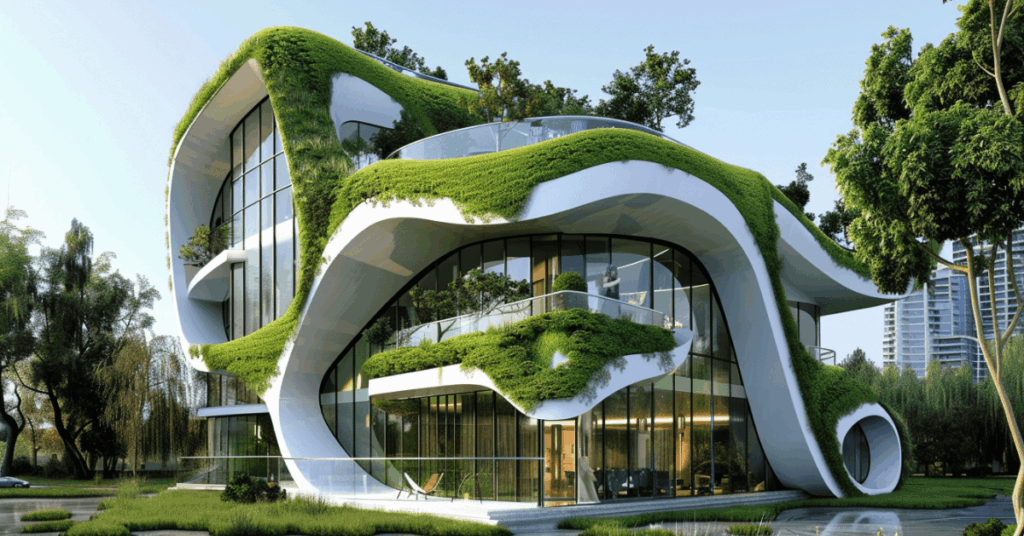
Smart home designs favor open plans to enhance Wi-Fi coverage, integrate appliances, and support automation systems throughout the house.
Hidden Tech for Minimalist Interiors
Architects are incorporating technology into walls, ceilings, and furniture — maintaining clean aesthetics while ensuring advanced functionality.
Sustainable Smart Materials
New materials like energy-efficient glass, insulated walls, and solar-integrated roofs make homes more eco-friendly and modern.
Benefits of Smart Home Designs
Greater Convenience
Everything — from lighting to security — can be controlled through your smartphone or voice commands.
Improved Safety
AI-powered systems monitor your home 24/7, offering superior protection.
Energy Savings
Smart devices track energy use and help reduce wastage.
Future-Ready Living
Smart homes are adaptable, ensuring your home remains efficient and relevant for years.
Conclusion
Smart home designs are redefining modern architecture by merging style with technology. From automated lighting to intelligent security systems, these innovations create homes that are efficient, comfortable, and future-ready. As technology continues to advance, smart homes will become the standard for modern living — offering a lifestyle that is convenient, sustainable, and truly connected.