
Balancing budget and quality in residential construction is one of the most important concerns for homeowners today. Building a home is a major investment, and while everyone wants excellent quality, staying within budget is equally critical. The secret lies in making informed decisions, planning smartly, and understanding where to invest and where to save.
A successful residential construction project is not about choosing the cheapest options, but about achieving long-term value through quality workmanship and controlled spending.
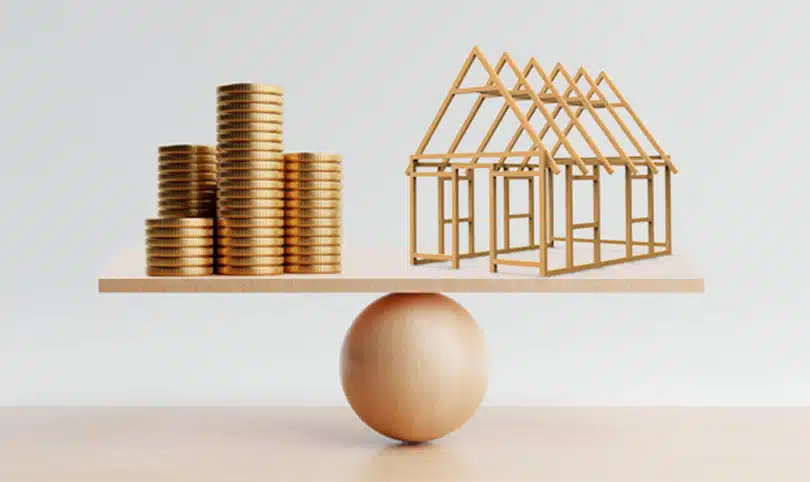
Why Balancing Budget and Quality Is Essential
Residential construction is a long-term commitment. Compromising quality to reduce costs may seem attractive initially, but it often results in frequent repairs, higher maintenance expenses, and reduced safety. On the other hand, overspending without proper planning can create financial stress.
Balancing budget and quality helps homeowners:
- Maintain strong structural integrity
- Control residential construction costs
- Increase property value
- Reduce long-term maintenance
- Ensure safety and comfort
Smart planning allows you to achieve high-quality construction without exceeding your budget.
Proper Planning: The Foundation of Cost Control
Planning plays a major role in balancing budget and quality in residential construction.
Define Clear Construction Requirements
Before starting construction, clearly define your requirements such as:
- Built-up area
- Number of rooms
- Design style
- Interior needs
- Future expansion plans
Clear planning avoids frequent changes, which often increase construction costs.
Set a Realistic Home Construction Budget
Divide your budget into structured categories:
- Structural work
- Materials
- Labor
- Interiors
- Contingency fund (10–15%)
This structured approach ensures better construction cost management and financial control.
Smart Material Selection Without Compromising Quality
Material selection directly affects both budget and quality in residential construction.
Invest in Structural Quality
Never compromise on core materials such as:
- Cement
- Steel
- Bricks or blocks
- Waterproofing systems
These materials determine the strength, durability, and lifespan of your home.
Use Cost-Effective Construction Materials
Modern construction offers many cost-effective alternatives, including:
- Fly ash bricks for better insulation
- Vitrified tiles instead of expensive natural stone
- Engineered wood instead of solid wood
These cost-effective construction strategies help reduce expenses while maintaining quality and aesthetics.
Efficient Design Choices Reduce Construction Costs
Design decisions have a significant impact on residential construction costs.
Choose Simple and Functional Designs
Simple layouts:
- Reduce material wastage
- Lower labor costs
- Improve space utilization
Avoid overly complex structures, unnecessary curves, and excessive elevation designs.
Plan for Future Expansion
Designing your home with future needs in mind avoids costly renovations later and protects your investment.
Hiring the Right Professionals Ensures Quality Construction
Experienced professionals play a key role in balancing budget and quality.
Work With Skilled Architects and Contractors
Professional teams help:
- Optimize material usage
- Prevent costly construction errors
- Maintain timelines
- Ensure construction quality assurance
Their expertise often saves money in the long run.
Maintain Transparency in Agreements
Ensure your contract clearly includes:
- Material specifications
- Scope of work
- Project timelines
- Payment schedules
Transparency helps avoid hidden costs and disputes.
Construction Management Helps Reduce Waste and Costs
Efficient construction management ensures smoother execution and cost savings.
Regular Site Monitoring
Frequent inspections help identify problems early, reducing rework and unnecessary expenses.
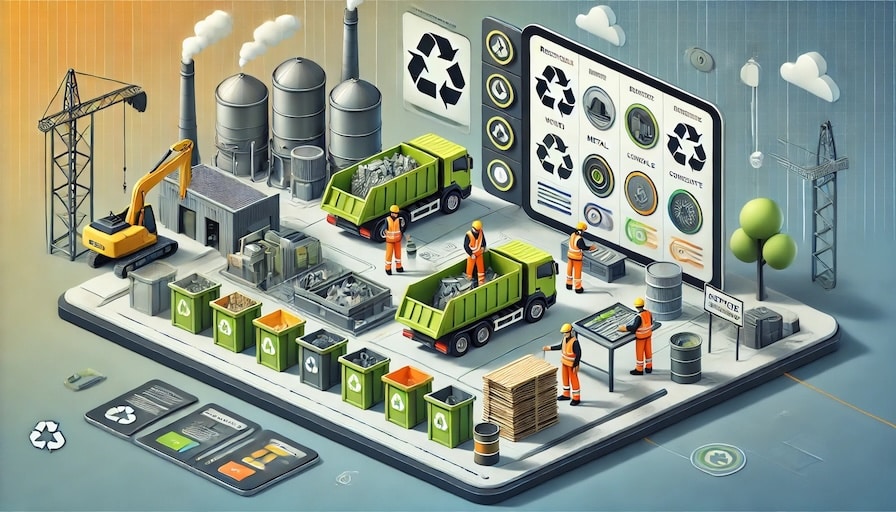
Minimize Material Wastage
Proper planning, storage, and supervision reduce wastage and support budget-friendly home construction.
Balancing Interior Quality With Budget Control
Interiors can significantly increase costs if not planned wisely.
Prioritize Functional Interiors
Focus your budget on:
- Modular kitchens
- Durable flooring
- Functional storage solutions
- Energy-efficient lighting
Decorative upgrades can be added later without affecting structural quality.
Think Long-Term Value
Durable interior materials reduce replacement and maintenance costs, adding long-term value to your residential construction project.
Sustainable Construction for Long-Term Savings
Sustainable construction practices help balance budget and quality over time.
Energy-Efficient Solutions
Using LED lighting, natural ventilation, and solar energy reduces monthly utility bills and improves efficiency.
Eco-Friendly Materials
Sustainable materials enhance long-lasting home quality while supporting environmentally responsible construction.
Common Mistakes to Avoid in Residential Construction
Avoid these common mistakes to protect both budget and quality:
- Selecting contractors based only on low price
- Ignoring soil testing
- Making frequent design changes
- Using substandard materials
- Poor construction supervision
Avoiding these issues ensures smooth project completion.
Conclusion: Build Smart, Not Expensive
Balancing budget and quality in residential construction is about smart decision-making, not cutting corners. With proper planning, the right professionals, and cost-effective materials, you can build a strong, beautiful, and durable home within your budget.
A well-planned residential construction project delivers comfort, safety, and long-term value—making your investment truly worthwhile.